The Arcade (1960)
even shopkeepers have dreams
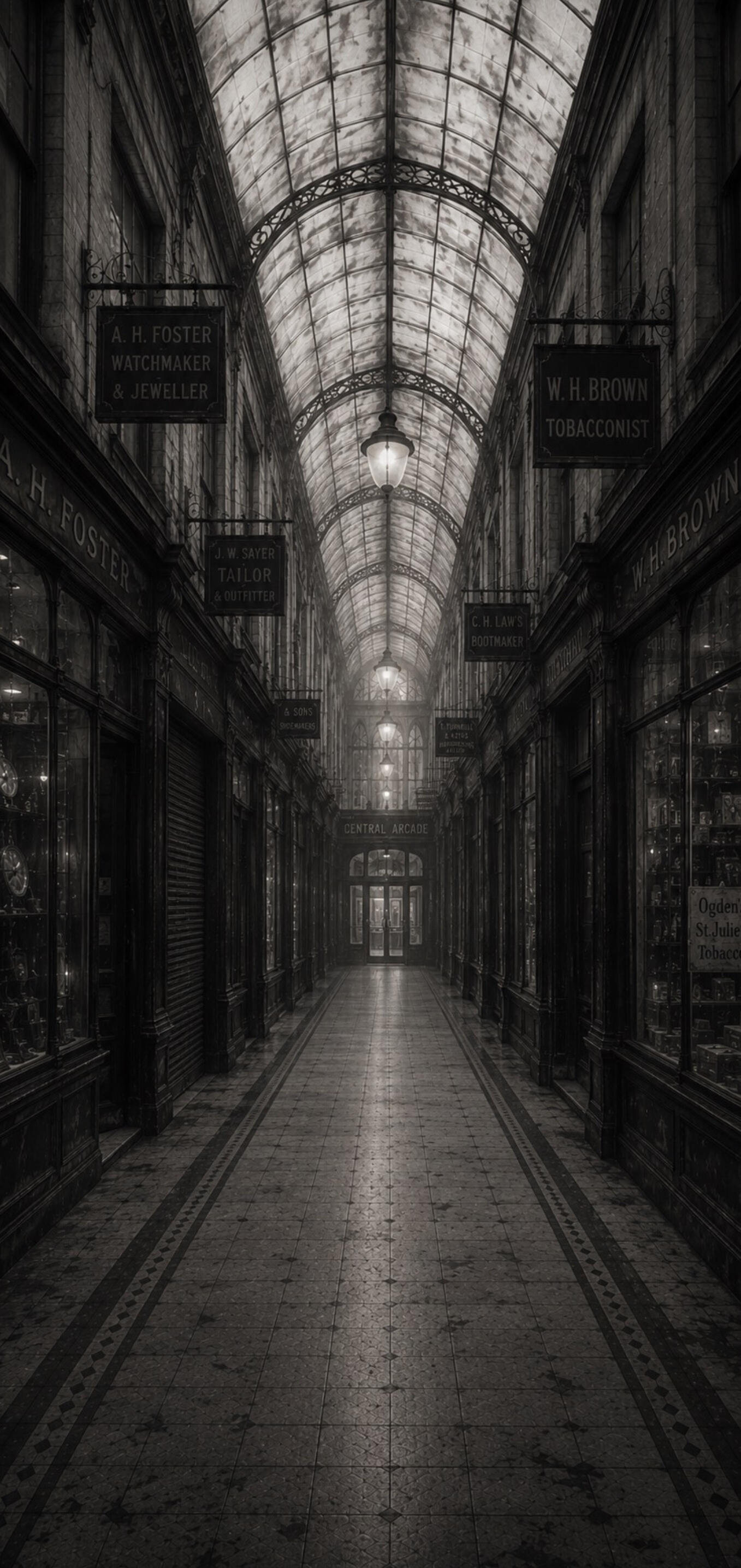
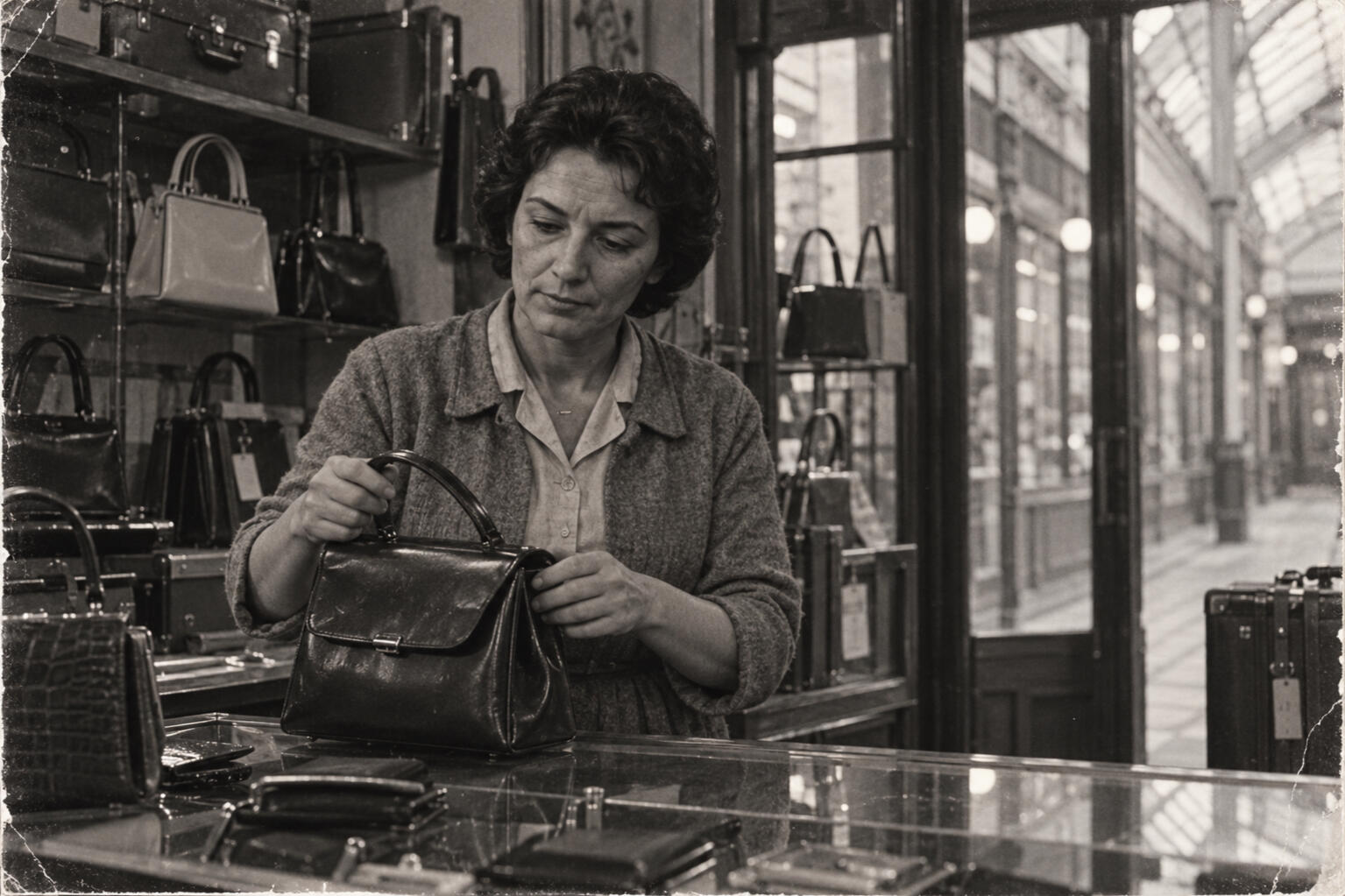
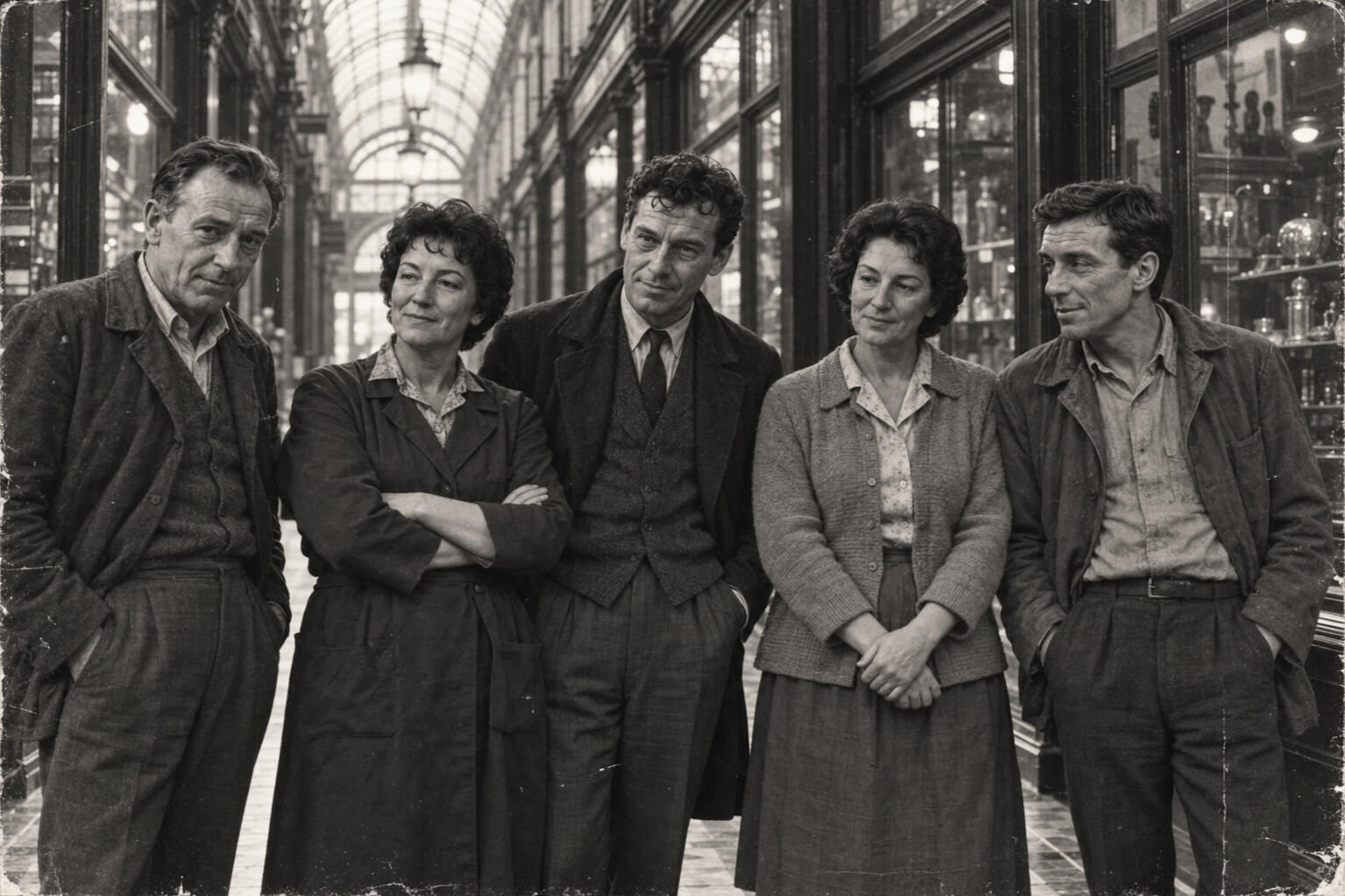
Released in autumn 1960, The Arcade was Crimea Street Films’ first attempt at an ensemble drama and one of the studio’s few productions to examine working life from behind the shop counter.Directed by Walter Henshaw and produced by Alistair Dunmore, the film followed five independent shopkeepers working beneath the glass roof of a fading Victorian arcade. Each arrived in the morning, opened the same shutters and served the same familiar customers, while privately imagining a life elsewhere. A rumour that the arcade had been sold provided the film with its only conventional plot, although the threatened closure remained unconfirmed throughout.June Carver played Elsie Mather, the proprietor of a small handbag and luggage shop inherited from her parents. Elsie spoke repeatedly of moving to the coast, yet appeared incapable of leaving the arcade even for an afternoon. Her exchanges with neighbouring shopkeepers gradually revealed that everyone had a plan for escape, but nobody had taken the first step.Filming took place inside a working arcade in Lancashire, largely before the shops opened and after they had closed. The restricted hours caused continual delays, while the production became notorious for reflections of cameras, lights and crew members appearing in the glass shopfronts. Several scenes had to be reshot, although one visible reflection reportedly remained in the finished film.Although only modestly successful on release, The Arcade later became one of the better-regarded Crimea Street Films productions. Its enclosed architecture, polished floors and long lines of empty shopfronts offered the studio an unusually elegant setting without abandoning its fascination with ordinary people quietly wondering whether life might have turned out differently.
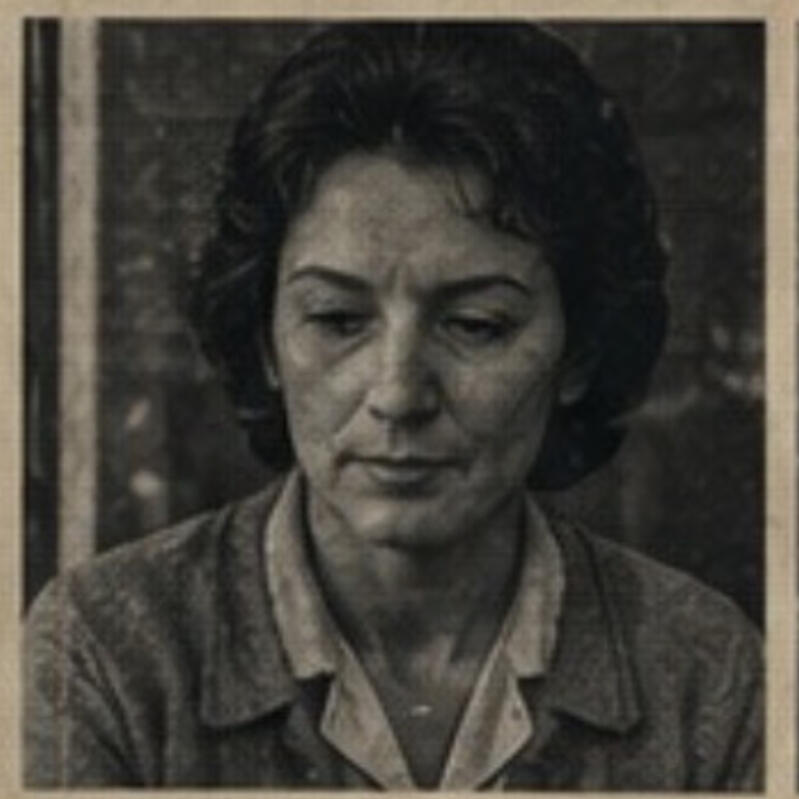
June Carver (1938 - )June Carver was born in Blackpool in 1938, the daughter of a tram conductor and a seamstress. The family later moved to Bolton, where she attended a local grammar school before leaving at sixteen to work as a receptionist in a solicitor's office.She had no particular ambitions to become an actress. Friends later recalled that she was quiet, practical and more interested in dancing than drama. She joined an amateur theatre group simply because a colleague persuaded her to go along one Tuesday evening.Her first connection with Crimea Street Films came by accident. In 1959, she accompanied a friend to an audition and was asked to read a few lines herself when another actress failed to arrive. Alistair Dunmore reportedly said, "She looks as though she's lived a bit, which is more than can be said for the rest of you."After a handful of small parts, Carver became one of the studio's most recognisable faces. She had a natural style that suited Dunmore's productions and audiences responded to her understated performances. She never considered herself a star and was known for arriving early, learning everyone's name and helping nervous newcomers through rehearsals.During the summer of 1961, she enjoyed a brief romance with fellow actor Brian Hollis. The relationship attracted a little attention within the studio but ended amicably. The two remained friends and continued to work together without difficulty.Her best remembered performances came during the studio's most successful period and she became closely associated with the ordinary northern women who populated Dunmore's films. Critics occasionally complained that she lacked glamour, a criticism she is said to have regarded as a compliment.Away from the cameras, June disliked publicity and rarely gave interviews. She enjoyed gardening, ballroom dancing, Rugby League and taking long walks along the Lancashire coast whenever work allowed.In 1964, she married ‘her David’, a Leeds businessman involved in the textile trade. The marriage effectively brought her acting career to an end, although she made one final appearance for Crimea Street Films before stepping away from the industry.Following the closure of the studio, she devoted herself to family life and charity work. Requests for interviews about the Crimea Street years were usually declined.Former colleagues remembered her as the least theatrical member of the company. One cameraman remarked that while everyone else was trying to become famous, June Carver simply turned up, did the work and went home.Her own view of her career was characteristically modest."I only made a few little pictures with some good people. I think everyone else remembers them better than I do.” Whether this was characteristic modesty or the first signs of a failing memory was never entirely clear.Now living at Sunny Pines Nursing Home, June remains one of the last direct links to the Crimea Street years.
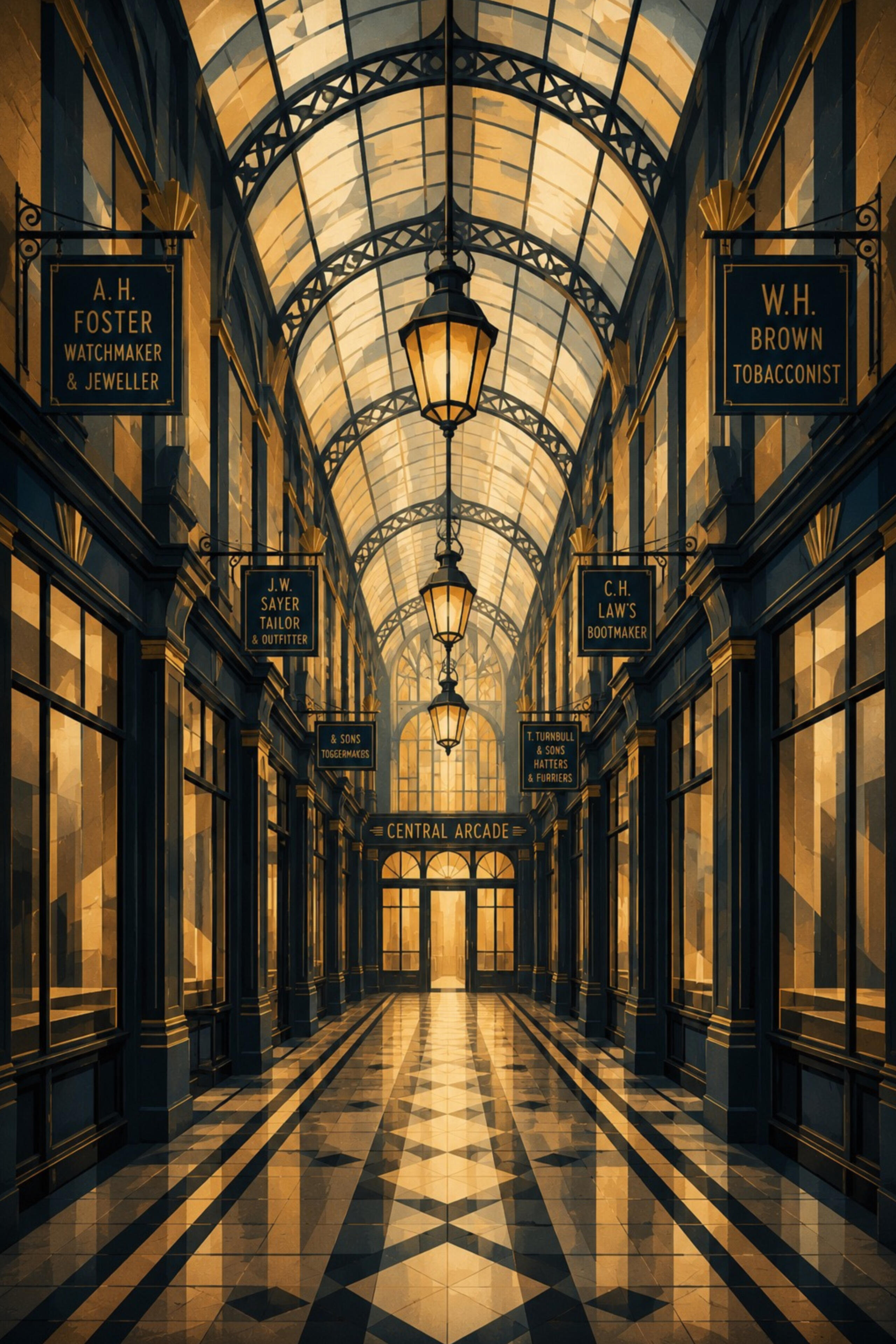
The Arcade turns a familiar covered shopping passage into an exercise in symmetry, light and architectural rhythm.Repeating iron arches, suspended lamps and traditional shop signs draw the eye towards the distant entrance, while the patterned floor carries the geometry through the entire image.Deep blue-black structure contrasts with warm amber light, giving the scene the polished theatricality of Northern Deco.The shops may be closed, but the arcade itself appears awake, elegant and quietly expectant.Available exclusively through FCSF, this artistic interpretation is available unframed on 240 gsm art paper and measures 16 x 20 inches.
What did the critics think?
Reviews were mixed. The Manchester Evening Chronicle praised its “tender understanding of small ambitions”, while Picturegoer complained that the film contained “more shutters than incident”.Audiences proved similarly divided, with some responding warmly to its characters and others finding its repetitive routine almost aggressively uneventful.
From the archive
The arcade’s resident caretaker insisted on locking the doors at precisely six each evening, whether filming had finished or not.
Publicity shot from the archive
The artwork of Reg Baines
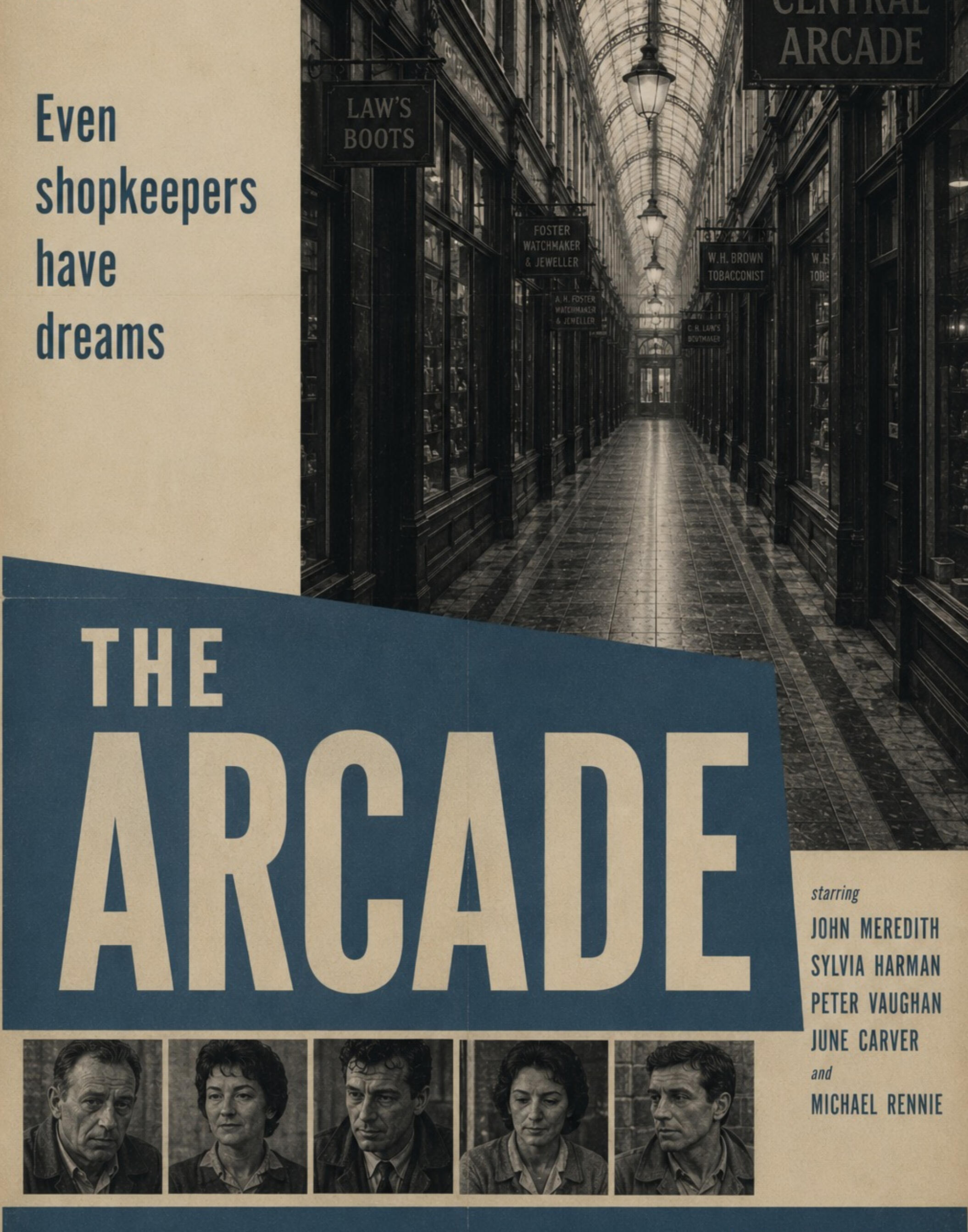
The original posters created by Reg Baines are synonymous with the studio and are very much part of its history.They would have been seen throughout the North of England outside cinemas, on hoardings and in places such as train stations.Most of them were damaged in a fire at the studio in late 1966, but we are delighted to now work with Parbold based artist, Brian Astley.He has faithfully reproduced each poster to a standard that our Reg would have been proud of and each one is available unframed on 240 gsm art paper as a 16 x 20 inch homage to the films we celebrate.